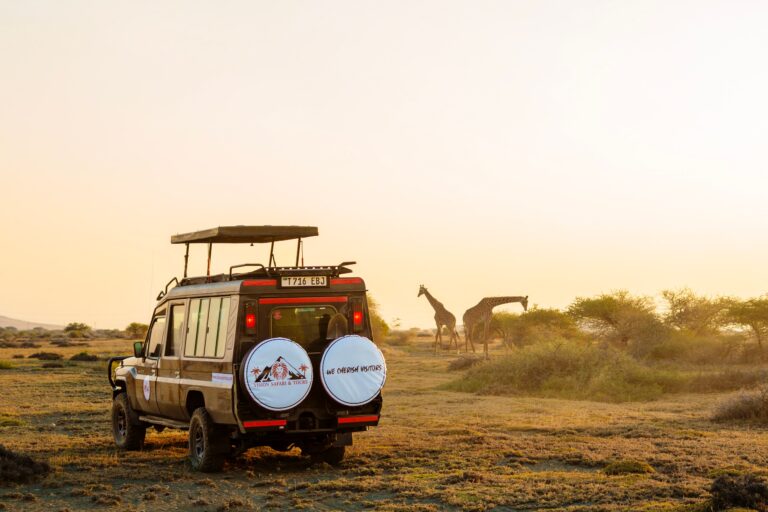
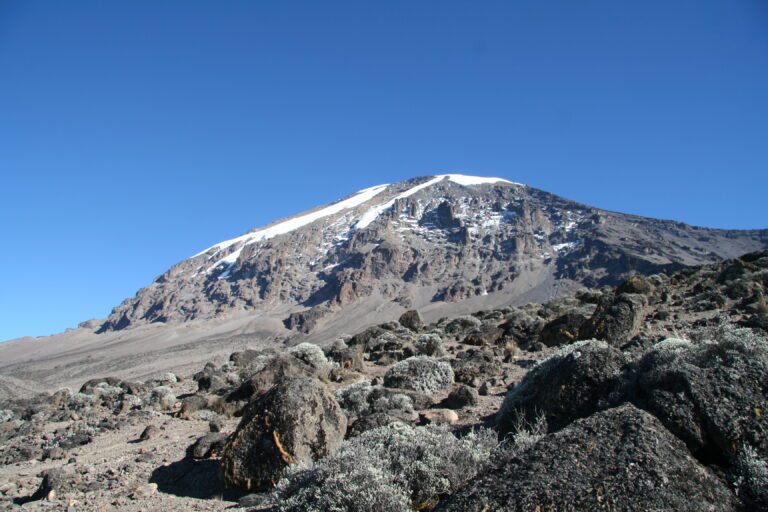
Dreaming of exploring Tanzania’s wilderness, or trekking to the roof of Africa on Kilimanjaro? Both are genuinely life-changing — and both reward proper planning. Here’s what our guides at Vision Safari & Tours tell every traveller before they depart.
1. Best time to visit. The dry season (June–October) is ideal for wildlife viewing, since animals gather predictably around water sources. January–March brings fewer crowds, green landscapes and good conditions for both safaris and treks. We’d generally advise avoiding the rainy seasons (April–May and November), when trails get slippery and wildlife is harder to spot.
2. What to pack. For safari: neutral-coloured clothing, a wide-brimmed hat, sunglasses, binoculars, sunscreen and a camera. For trekking: layered clothing, moisture-wicking base layers, sturdy hiking boots, a headlamp, and a sleeping bag if you’re camping. For both: insect repellent, a reusable water bottle, a power bank, personal medications and travel insurance. We provide every client with a full gear checklist before departure, so you’re never guessing.
3. Travel insurance is not optional. Get comprehensive cover including medical emergencies, trip cancellation, evacuation and lost baggage, and carry both digital and printed copies of your policy and emergency contacts.
4. Basic personal safety. Tanzania is a welcoming country, but ordinary travel precautions still apply: keep valuables secured in your lodge or camp, avoid walking alone at night, stay alert in busy areas like airports and markets, and carry minimal cash using a secure crossbody bag.
5. Money — cash and cards. US Dollars printed after 2009 are widely accepted; Tanzanian Shillings are useful for small local purchases. Let your bank know your travel dates in advance, use ATMs in larger towns for local currency, and be cautious with informal street money exchange.
6. Electricity and charging. Tanzania runs on 220–240V with Type D and G plugs — bring a universal adapter. Some remote safari camps rely on solar or generator power with limited hours, so a power bank and spare batteries are genuinely useful, not just a nice-to-have.
7. Mobile network and Wi-Fi. Signal reaches most areas but can be limited in remote parks. A local SIM (Vodacom or Airtel) is an affordable way to stay connected, and while many lodges offer Wi-Fi, speeds can be slow in remote locations — set expectations accordingly.
8. Drinking water. Stick to bottled or purified water — most safari lodges provide this as standard. Bringing a reusable bottle keeps you hydrated and cuts down on plastic waste.
9. Dealing with dust. Dry-season roads get dusty, so sunglasses protect your eyes, a buff or scarf protects your nose and mouth, and it’s worth keeping electronics in a dust-proof bag or case during game drives.
10. Tipping etiquette. Tipping is optional but genuinely appreciated: roughly $10–25 per day for your safari guide, $10–20 per day (usually pooled) for camp or lodge staff, and $1–2 per bag for porters. Tips are best given in USD or Tanzanian Shillings.
11. Responsible tourism and cultural respect. Always ask permission before photographing people, respect local customs, support community-led tourism and conservation initiatives, and consider bringing useful donations — school supplies, for example — rather than giving money directly.
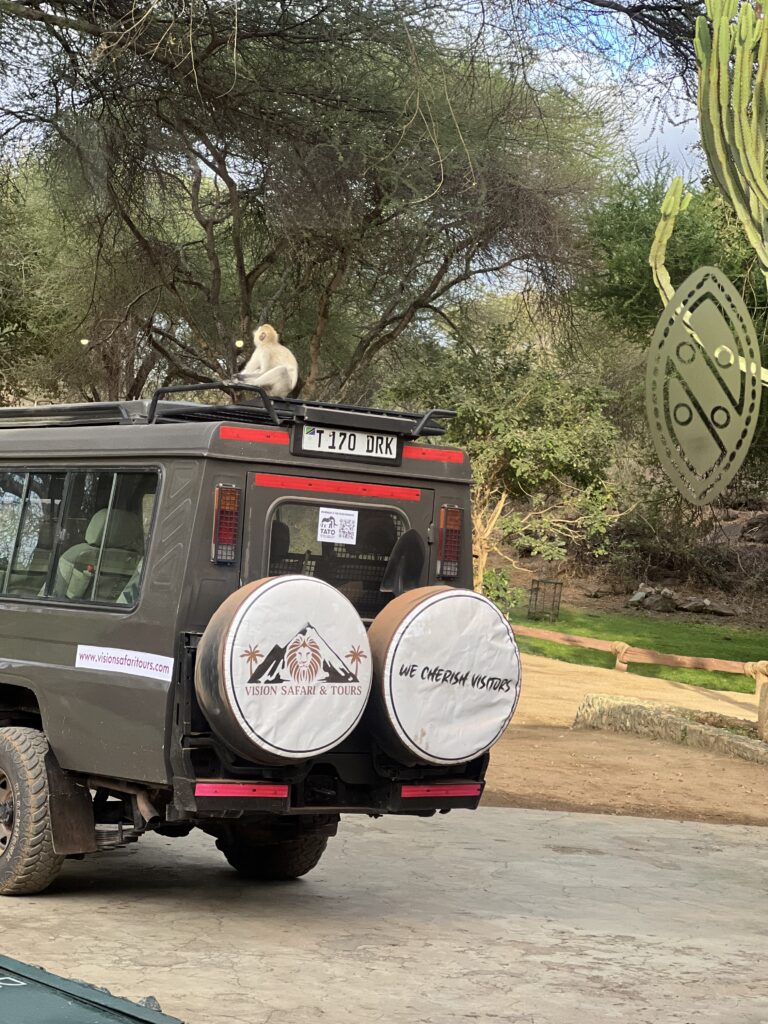
12. Wildlife etiquette. Keep a safe, respectful distance from all animals, never feed wildlife, follow your park’s rules and your guide’s instructions at all times, and avoid single-use plastics — leave no trace of your visit behind.
Karibu Tanzania — welcome to the wild. With the right preparation and a responsible mindset, your safari or trek will be exactly the smooth, safe and meaningful journey you’re picturing.