“How much does a safari cost” is a bit like asking “how much does a holiday cost” — the honest answer is that it depends enormously on style, season and country, and the range is wide enough that a real number needs real context. Here’s a grounded breakdown based on how safaris in this region are actually priced.
Budget camping safaris: roughly $150-250 per person, per day. This covers a shared 4×4 vehicle with other travellers, public campsite accommodation (tents provided, shared ablution facilities), and full-board camp-style meals prepared by your crew. It’s a genuinely good way to see the Serengeti, Ngorongoro Crater and similar parks without the lodge price tag — the wildlife access is identical, only the accommodation and vehicle-sharing differ.
Mid-range private safaris: roughly $300-500 per person, per day. This is where most first-time safari travellers land, and for good reason — it covers a private vehicle and guide (not shared with strangers), comfortable tented camps or 3-4 star lodges, and full-board meals, without the premium pricing of top-tier properties. Most of our own signature itineraries in this range run from around $1,900 to $3,900 total for trips of 5-8 nights, depending on the specific parks and season.
Luxury safaris: roughly $600-1,200+ per person, per day. This tier covers premium camps and lodges (often architecturally striking, with excellent food and service), private-use conservancy areas with no other vehicles at sightings, and sometimes extras like private guides for the whole trip or included activities like hot-air balloon safaris. This is where a safari starts to feel less like “transportation between wildlife sightings” and more like a destination in its own right.
What changes the number the most. Three factors move the price far more than anything else: season (June-October and December-March peak pricing can run 20-40% above the April-May/November shoulder seasons), whether the vehicle and guide are private or shared, and whether the trip includes any regional flights or trekking permits. A single gorilla trekking permit alone (Uganda vs Rwanda pricing differs significantly, with Rwanda considerably higher) can represent a meaningful share of a shorter trip’s total cost, simply because it’s a fixed, non-negotiable government fee rather than something that scales down at the budget end.
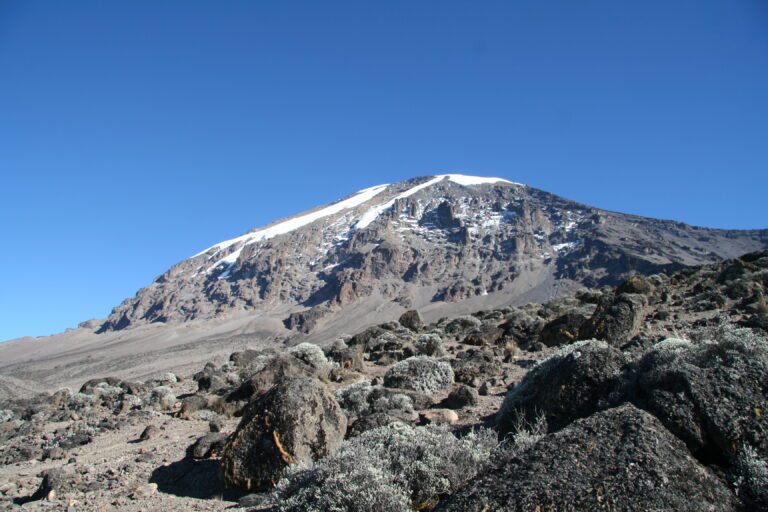
Kilimanjaro climbs, separately. Because these are priced per climb rather than per safari day, expect a six-day route (the generally recommended minimum for a reasonable acclimatization and summit success chance) to run from roughly $1,700 up to $2,500+ depending on route and camp/hotel quality before and after — this is a genuinely different cost structure to a game-drive safari, since it includes mandatory park fees, a full mountain crew (guide, cook, porters) and camping equipment rather than lodge nights.
What’s usually included vs. excluded. Nearly every reputable operator’s quoted price includes park and conservation fees, your vehicle/guide, accommodation, and meals as specified. Nearly every quote excludes international flights, visas, travel insurance, tips, and alcoholic beverages — worth budgeting an additional realistic allowance for tips especially, since guides, camp staff and mountain crews rely heavily on this and it isn’t usually built into the headline price.
A practical way to think about your own budget: decide first whether private vs. shared-vehicle matters to you (it’s the single biggest lever), then decide on accommodation tier, then let those two choices — plus your travel dates — set the realistic range. If you tell us a rough total budget and how many nights you have, we can usually sketch two or three real itinerary options at different price points rather than starting from a single fixed package.