A safari isn’t only about wildlife. Tanzania is also home to communities whose traditions stretch back centuries, and spending time with them — respectfully, and through a reputable guide — adds a dimension to your trip that a game drive alone can’t. Here’s an introduction to four of the communities you can meet, and how to do it well.
The Maasai — guardians of tradition. Recognisable by their vibrant red shukas and intricate beadwork, the Maasai live in the areas around the Ngorongoro Crater and the Serengeti, following a semi-nomadic, cattle-herding lifestyle that has retained much of its traditional character.
A village visit typically includes touring a boma (homestead) built from mud, sticks and cow dung, watching the iconic adumu jumping dance and joining in communal singing, hearing elders share stories of Maasai history and beliefs, and browsing handcrafted beadwork and jewellery direct from the artisans who made it. These visits are usually built into itineraries around the Ngorongoro Conservation Area and Serengeti National Park.
The Hadzabe — among the last hunter-gatherers in Africa. Living near Lake Eyasi, the Hadzabe speak a click-consonant language and maintain a nomadic hunter-gatherer lifestyle that has changed remarkably little over millennia.
Visits can include joining Hadzabe men on a traditional hunt with bows and poisoned arrows, learning their tracking methods and reading of the land, taking part in foraging for wild fruits, roots and honey, and sitting in on storytelling around the campfire that reveals their spiritual beliefs and social structure. It’s a rare window into a way of life that is genuinely disappearing.
The Datoga — blacksmiths and pastoralists. Neighbours to the Hadzabe around Lake Eyasi and the Manyara region, the Datoga are known for their blacksmithing skill and pastoral life. A visit might include watching traditional blacksmithing — tools, weapons and jewellery forged with age-old techniques — learning about customs including facial scarification and traditional dress, and hearing about their gradual shift from pure pastoralism toward incorporating subsistence farming.
Mto wa Mbu — a cultural mosaic. Near Lake Manyara National Park, Mto wa Mbu is home to more than 120 ethnic groups living side by side, making it a uniquely concentrated place to experience Tanzania’s diversity in a single stop. Typical visits include guided tours of local farms, markets and homes, tasting traditional dishes prepared by local cooks, and hands-on artisan workshops covering banana beer brewing, wood carving and painting. It’s a natural stopover between Arusha and the Serengeti.
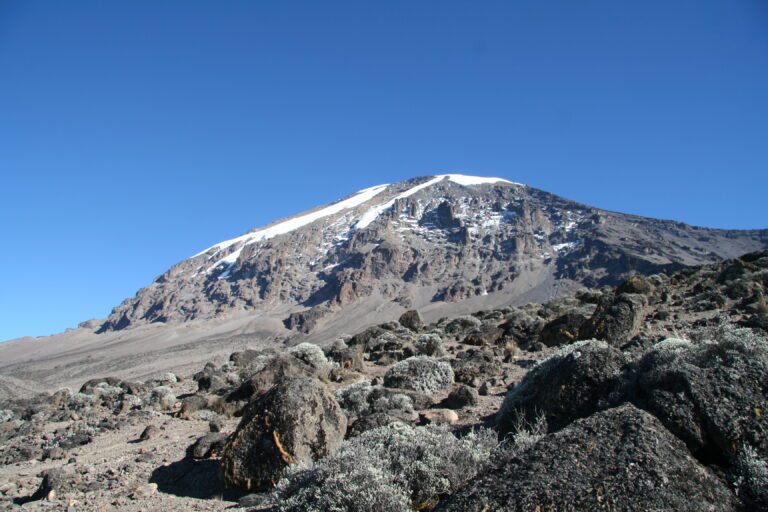
The Chagga — guardians of Kilimanjaro. On the fertile slopes of Mount Kilimanjaro, the Chagga are known for their agricultural skill, especially coffee farming. A visit typically includes touring a coffee farm and sampling freshly brewed coffee, exploring historic underground tunnels once used by the tribe, and enjoying traditional dances and songs that recount Chagga history and legend — a natural addition to any Kilimanjaro-region itinerary.
Doing it well. These are living communities, not exhibits, so a few simple habits go a long way: always ask before photographing anyone, and respect a no if given; buy crafts directly from the artisans who made them and consider supporting community projects rather than handing out cash directly; travel with reputable, knowledgeable guides who can facilitate a genuine two-way exchange rather than a rushed drive-through; and take a little time beforehand to learn about the community you’re about to meet. Approached this way, a cultural visit becomes a meaningful part of your Tanzania trip — and a way of supporting the very communities that make it possible.