Tanzania Travel Tips: Everything You Need to Know Before Your Safari
Planning your first trip to Tanzania? From the endless plains of the Serengeti and the wildlife-rich Ngorongoro Crater to Mount Kilimanjaro and the beaches of Zanzibar, Tanzania offers an extraordinary variety of experiences.
But before you travel, it helps to understand the practical side of your trip.
What should you pack? What is the weather like? Do you need a visa? What currency should you carry? What should you wear on safari? How much should you tip your guide? What time is it in Tanzania? And what should you know before your first game drive?
This Tanzania travel guide covers the essential information you need to prepare for your journey.
Tanzania at a Glance
| Travel Information | What to Know |
|---|---|
| Capital | Dodoma |
| Main tourism hub | Arusha |
| Currency | Tanzanian Shilling (TZS) |
| Common tourism currency | US Dollars (USD) |
| Languages | Swahili and English |
| Time zone | East Africa Time (EAT), UTC+3 |
| Electricity | 230V, generally 50Hz |
| Driving side | Left |
| International airports | Kilimanjaro, Dar es Salaam, Zanzibar |
| Safari hub | Arusha |
| Popular safari areas | Serengeti, Ngorongoro, Tarangire, Lake Manyara |
| Major coastal destination | Zanzibar |
Language in Tanzania
Tanzania’s national language is Swahili, while English is widely used in tourism, business, hotels and safari operations.
You can travel comfortably through Tanzania using English, particularly when dealing with safari companies, hotels, guides and tourism providers.
However, learning a few Swahili words can make your experience more enjoyable and is often appreciated by local people.
| Swahili | English |
|---|---|
| Jambo | Hello |
| Habari? | How are you? |
| Asante | Thank you |
| Karibu | Welcome |
| Tafadhali | Please |
| Ndiyo | Yes |
| Hapana | No |
| Pole pole | Slowly / take it easy |
| Nzuri | Good |
| Kwa heri | Goodbye |
Your safari guide will usually be happy to teach you more Swahili during your trip.
Money in Tanzania
The official currency is the Tanzanian Shilling (TZS).
However, US dollars are widely used in the tourism industry, particularly for safari prices, lodges, hotels, tips and some tourism services.
Credit and debit cards are accepted at many hotels, lodges and established businesses, but you should not rely entirely on cards when travelling into remote safari areas.
ATMs are available in major towns and cities, but they become less common once you leave urban areas.
Our practical advice
Carry some cash for:
- Tips
- Small purchases
- Local markets
- Drinks and snacks
- Souvenirs
- Places where card payments may not be available
Keep your money securely and avoid carrying more cash than you need for the day.
Tanzania Climate: What Weather Should You Expect?
Tanzania is a large country, so the weather varies considerably depending on where you travel and the altitude.
A safari in the Serengeti is very different from a beach holiday in Zanzibar, while Mount Kilimanjaro has its own high-altitude climate.
Tanzania Weather by Region
| Destination | Typical Conditions | What Visitors Should Expect |
|---|---|---|
| Arusha | Mild to warm | Cooler mornings and evenings, especially at higher elevations |
| Tarangire | Warm and generally dry | Hot afternoons and cooler mornings |
| Serengeti | Warm days, cooler mornings | Temperatures can change considerably during the day |
| Ngorongoro | Cooler due to altitude | Cold early mornings and evenings; warm during the day |
| Lake Manyara | Warm and sometimes humid | Comfortable mornings, warmer afternoons |
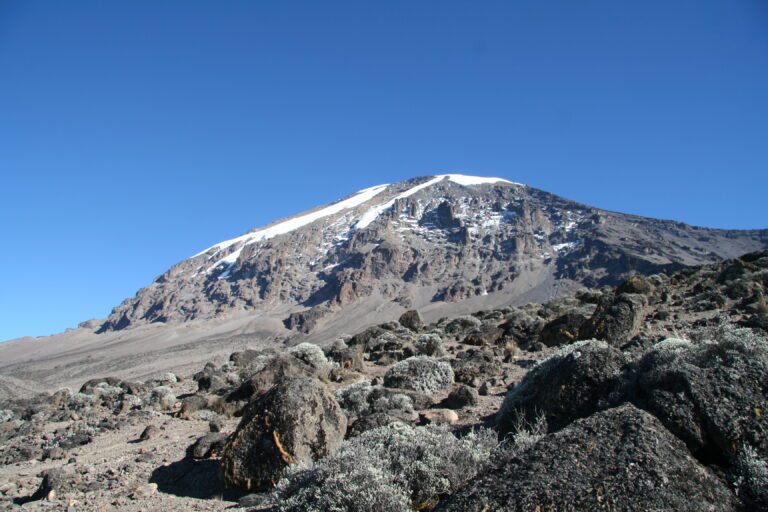
| Kilimanjaro | Changes dramatically with altitude | Warm lower slopes and very cold summit conditions |
| Zanzibar | Tropical and humid | Warm temperatures, sunshine and occasional tropical rain |
| Mafia / Pemba | Tropical coastal climate | Warm, humid conditions and marine weather |
Tanzania’s Seasons
Tanzania does not have four seasons in the same way as many European or North American countries.
The year is generally described through dry and rainy periods.
| Period | General Conditions | Good For |
|---|---|---|
| June–October | Generally dry and cooler | Safari, wildlife viewing, trekking |
| November–December | Short rains in many areas | Green landscapes, fewer crowds |
| January–February | Generally warm; relatively dry in many areas | Safari and calving season in the Serengeti |
| March–May | Long rains | Lush landscapes, fewer visitors and selected safari experiences |
Weather varies by region and year, so these should be treated as general patterns rather than guarantees.
What is the best time to visit Tanzania?
There is no single best month for everyone.
The best time depends on what you want to experience.
- Great Migration: timing depends on herd movements and the particular migration experience you want.
- Wildlife viewing: dry-season months are generally popular because animals can be easier to locate around water.
- Calving season: January and February can be particularly interesting in the southern Serengeti.
- Kilimanjaro: climbing conditions vary by season and route.
- Zanzibar: the coast can be visited throughout much of the year, with weather varying by season.
The right travel dates should therefore be chosen around your priorities rather than simply following a “best month” list.
What to Wear in Tanzania
The right clothing depends on your destination.
For safari, choose lightweight, comfortable clothing and bring an extra layer for early mornings.
For Zanzibar and coastal areas, lightweight clothing is ideal, but visitors should dress more modestly when away from the beach and when visiting local communities or religious sites.
Tanzania Clothing Guide
| Where You Are Going | Recommended Clothing |
|---|---|
| Safari | Lightweight trousers, T-shirts, long-sleeved shirts and comfortable shoes |
| Early morning game drives | Fleece, sweater or light jacket |
| Afternoon safari | Lightweight breathable clothing, hat and sunglasses |
| Ngorongoro | Warm layer or jacket, especially early morning |
| Kilimanjaro | Layered clothing designed for changing temperatures and high altitude |
| Zanzibar beach | Swimwear and lightweight beach clothing |
| Zanzibar villages/towns | Modest clothing covering shoulders and knees where appropriate |
| Stone Town | Comfortable, modest clothing and walking shoes |
| Evenings | Light jacket or warmer layer depending on destination and season |
Safari clothing colours
Neutral and natural colours such as khaki, beige, brown, olive and grey are practical for safari.
Bright colours are not prohibited, but neutral clothing is generally more comfortable and less conspicuous in the bush.
Most importantly, choose clothing for comfort and practicality, not fashion.
What to Pack for a Tanzania Safari
You do not need to overpack.
A practical safari packing list should include:
- Passport
- Visa or entry documentation where applicable
- Travel insurance information
- Prescription medication
- Comfortable clothing
- Warm layer
- Comfortable walking shoes
- Sun hat
- Sunglasses
- Sunscreen
- Insect repellent
- Camera
- Spare batteries
- Extra memory cards
- Phone and charger
- Power bank
- Universal travel adapter
- Small day backpack
- Reusable water bottle
Keep your luggage manageable
If your safari involves small aircraft, luggage restrictions can be important.
A soft-sided bag is often more practical than a large hard-shell suitcase for safari and domestic flights.
If you are travelling with large luggage, ask your safari operator whether it can be stored securely in Arusha while you travel through the parks.
Health Before Travelling to Tanzania
Health preparation should be part of your travel planning.
Travel-health recommendations depend on your nationality, medical history, itinerary and activities.
Before travelling, consult a qualified healthcare professional or travel-health clinic for personalised advice.
Current travel-health guidance for Tanzania includes recommendations concerning routine vaccinations, hepatitis A, malaria prevention and other destination-specific considerations.
Malaria
Malaria occurs in parts of Tanzania, and prevention can include avoiding mosquito bites and, for some travellers, prescription preventive medication.
Discuss malaria prevention with your doctor before travelling.
Useful precautions include:
- Use insect repellent.
- Wear long sleeves and trousers when appropriate.
- Sleep under a mosquito net where provided.
- Use screened or air-conditioned accommodation where possible.
- Follow your doctor’s advice regarding malaria medication.
Vaccinations
Make sure routine vaccinations are up to date and ask a healthcare professional which additional vaccinations or medicines are appropriate for your itinerary.
Yellow fever requirements can depend on your travel history, including whether you are arriving from a country where yellow fever transmission occurs. Check the current requirements before departure.
Do not rely on an old travel blog for medical or vaccination requirements.
Travel Insurance
Travel insurance is strongly recommended for a Tanzania holiday.
A good policy should ideally cover:
- Emergency medical treatment
- Medical evacuation
- Trip cancellation
- Trip interruption
- Lost or delayed luggage
- Personal belongings
- Travel delays
If you are climbing Mount Kilimanjaro, check the policy carefully to ensure it covers high-altitude trekking and emergency evacuation.
If your itinerary includes safari, Zanzibar, domestic flights or other activities, make sure your insurance covers the full trip.
Time Difference in Tanzania
Tanzania uses East Africa Time (EAT), UTC+3 throughout the year.
Tanzania does not normally change its clocks for daylight saving time.
This means the time difference with your home country can change during the year if your country observes daylight saving time.
For example, Tanzania is:
- 3 hours ahead of UTC
- Usually 2 hours ahead of Central European Time (CET) during European winter
- Usually 1 hour ahead of Central European Summer Time (CEST) during European summer
Always check the current time difference before booking flights and scheduling calls.
Electricity and Power
Tanzania generally uses 230V electricity at 50Hz.
Power sockets commonly use Type G plugs, although socket types can vary by property.
We recommend bringing a universal travel adapter.
Also pack:
- Phone charger
- Camera charger
- Power bank
- Spare batteries
- Small flashlight or headlamp
Power availability can be more limited in remote safari camps than in city hotels.
On Safari: What Should You Expect?
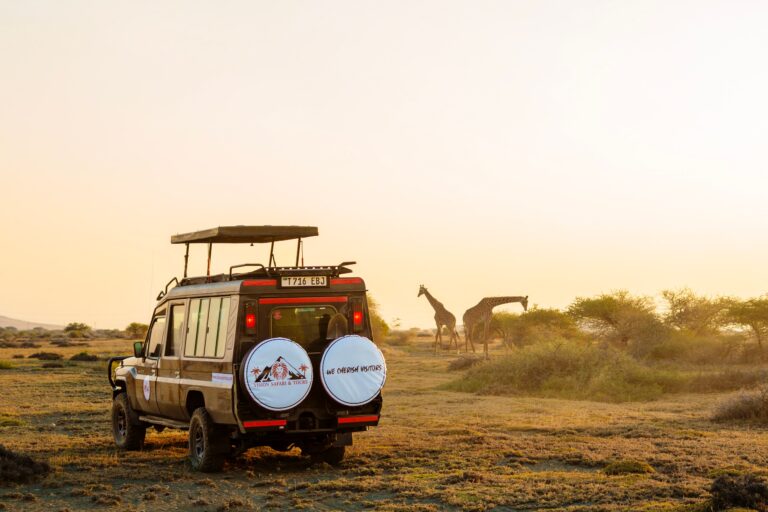
A Tanzania safari is very different from visiting a zoo or wildlife park where animals are guaranteed to appear.
You are entering a natural ecosystem.
Your guide may spend time searching for wildlife, following fresh tracks, listening for alarm calls or observing animal behaviour.
Some days may bring extraordinary encounters with lions, elephants or leopards. Other days may be quieter.
That unpredictability is part of the experience.
During a game drive
You should:
- Listen to your guide.
- Remain inside the vehicle unless your guide says it is safe to exit.
- Keep noise low around wildlife.
- Do not feed animals.
- Do not attempt to attract animals.
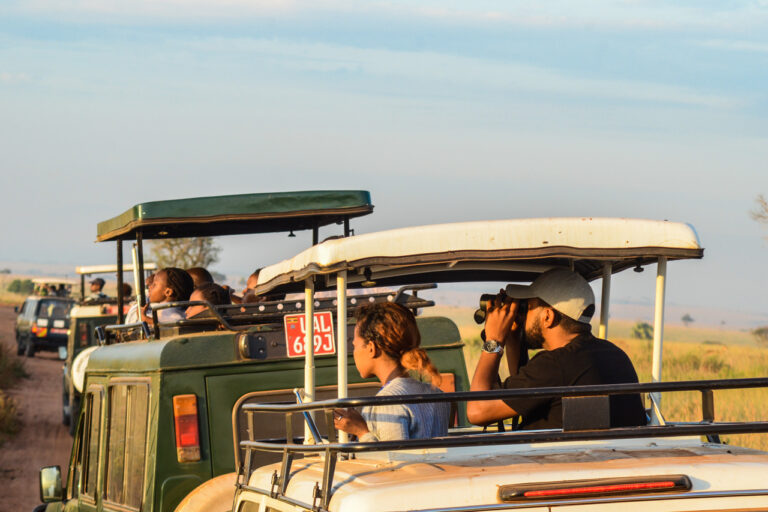
- Respect other safari vehicles.
- Follow park regulations.
- Never pressure your driver to drive dangerously or leave designated areas simply for a photograph.
The goal is not just to see animals.
It is to observe them responsibly in their natural environment.
Safari Photography Tips
Tanzania is one of the world’s great wildlife photography destinations.
You may encounter elephants, lions, giraffes, buffalo, zebras, wildebeest, cheetahs, hippos and hundreds of bird species.
Before your safari
Make sure you have:
- Enough memory
- Fully charged batteries
- Spare batteries
- Lens cleaning equipment
- Camera protection from dust
- A comfortable camera bag
A telephoto lens is useful for wildlife, while a wider lens can help capture landscapes and larger animals close to the vehicle.
Most important photography rule
Do not allow photography to compromise wildlife safety.
Listen to your guide and respect the animal’s space.
The perfect photograph is never more important than responsible wildlife viewing.
Tipping in Tanzania
Tipping is not legally compulsory, but it is common in the tourism industry and is appreciated when you receive good service.
You may choose to tip:
- Safari guide
- Camp or lodge staff
- Porters
- Hotel staff
- Drivers
- Other service providers
The appropriate amount depends on the length of your trip, group size and quality of service.
Your safari company should explain its recommended tipping guidelines before departure so you know what is expected.
A useful approach is to prepare tips in advance and keep smaller notes available.
Visas and Entry Requirements
Visa requirements depend on your nationality and travel circumstances.
Tanzania provides an official electronic visa application system, but requirements can change. Always check the latest official information before travelling.
Before departure, check:
- Passport validity
- Visa requirements
- Entry requirements
- Yellow fever requirements where applicable
- Any transit requirements
- Return or onward travel documentation if applicable
Your safari company can help with general guidance, but travellers should verify immigration requirements applicable to their nationality.
Travelling to Tanzania With Children
Tanzania can be an excellent family destination.
Children can experience:
- Wildlife
- Nature
- Local culture
- Beaches
- Food
- Outdoor adventure
However, not every safari itinerary is suitable for every child.
Consider:
- The child’s age
- Length of game drives
- Driving distances
- Accommodation
- Meal requirements
- Bathroom facilities
- Early morning departures
- Weather
- Activities available between game drives
For families, a well-paced private safari can often provide more flexibility than a tightly scheduled group itinerary.
Food and Drinking Water
Hotels and safari lodges generally offer a wide variety of food, including international dishes and local Tanzanian cuisine.
Popular local foods include:
- Ugali
- Rice
- Pilau
- Chapati
- Nyama choma
- Fresh fruit
- Local vegetables
- Seafood in coastal areas
If you have dietary requirements such as vegetarian, vegan, halal or food allergies, inform your safari company and accommodation providers before arrival.
For drinking water, follow the recommendations of your accommodation and safari operator. Many safari lodges provide treated or bottled drinking water.
Good hand hygiene and sensible food and water choices are important travel-health precautions.
Internet and Mobile Connectivity
Mobile connectivity is available in Tanzania, but coverage varies considerably.
In cities and major towns, connectivity is generally much better.
In remote safari areas, you may experience weak or intermittent signal.
Some lodges and camps provide Wi-Fi, but speeds can vary.
Do not plan your safari around having constant internet access.
In fact, a few hours without your phone can be one of the best parts of being in the wilderness.
Respecting Tanzanian Culture
Tanzania is culturally diverse, and respectful behaviour goes a long way.
When visiting villages, towns or religious sites:
- Dress appropriately.
- Ask permission before photographing people.
- Learn a few Swahili greetings.
- Respect local customs.
- Avoid intrusive behaviour.
- Ask before entering private areas.
On Zanzibar, in particular, visitors should be mindful that the islands have a strong Islamic cultural heritage outside the main beach resorts.
Responsible Safari Travel
A safari should leave a positive impact.
When travelling through Tanzania:
- Do not litter.
- Avoid single-use plastic where practical.
- Never feed wildlife.
- Do not touch or chase animals.
- Respect park regulations.
- Do not remove plants, rocks or other natural objects.
- Support responsible local businesses.
- Respect local communities.
Responsible tourism helps protect the landscapes and wildlife that make Tanzania special.
How Much Time Do You Need for a Tanzania Safari?
There is no single ideal safari length.
However, if this is your first visit to Northern Tanzania, giving yourself enough time to experience several ecosystems can make a significant difference.
A short safari can focus on destinations such as Tarangire and Ngorongoro.
A longer safari can include Serengeti and potentially additional areas depending on the season and your interests.
Instead of asking:
“How many parks can I visit?”
Ask:
“How much time do I want to spend actually experiencing each place?”
A slower, well-designed itinerary can often be more enjoyable than trying to visit too many destinations in a short period.
Tanzania Safari or Safari + Zanzibar?
You do not necessarily have to choose.
For many travellers, combining a Northern Tanzania safari with Zanzibar creates a complete Tanzania journey.
Safari
Wildlife, landscapes, game drives and wilderness.
Zanzibar
Swahili culture, history, spices, beaches and the Indian Ocean.
The combination allows you to experience two very different sides of Tanzania in one trip.
A typical journey might look like:
Arusha → Tarangire → Serengeti → Ngorongoro → Zanzibar
For travellers with more time, the journey can be extended with additional wildlife, cultural or coastal experiences.
What Should You Know Before Your First Safari?
The most important thing is to keep your expectations realistic.
Wildlife is wild.
There are no guarantees that you will see a particular animal on a particular day.
Your guide’s experience is therefore extremely important.
A good guide does more than drive the vehicle.
They interpret animal behaviour, understand the landscape, communicate with other guides, select suitable routes and help you understand the ecosystem around you.
The safari is not simply about collecting photographs.
It is about understanding the environment you are visiting.
Quick Tanzania Travel Checklist
Before you leave home, make sure you have considered:
☐ Passport and current entry requirements
☐ Visa, if required
☐ Travel insurance
☐ Health consultation and recommended medication
☐ Any required vaccination documentation
☐ US dollars and/or Tanzanian shillings
☐ Debit/credit card
☐ Universal travel adapter
☐ Phone charger and power bank
☐ Sunscreen
☐ Insect repellent
☐ Comfortable safari clothing
☐ Warm layer for early mornings
☐ Comfortable walking shoes
☐ Sun hat and sunglasses
☐ Camera and spare batteries
☐ Extra memory cards
☐ Prescription medication
☐ Small day backpack
☐ Emergency contact information
Tanzania Travel: Come Prepared, Then Leave Room for the Unexpected
The best Tanzania journeys are not necessarily the ones with the longest itinerary.
They are the ones that combine the right destinations, the right pace and the right experiences.
You might spend a morning watching elephants beneath the baobabs of Tarangire, an afternoon following lions across the Serengeti, a sunrise surrounded by the landscapes of Ngorongoro, and a few days later be walking through Stone Town or swimming in the Indian Ocean.
That variety is what makes Tanzania extraordinary.
At Vision Safari & Tours, we design Tanzania journeys around the experiences our guests want to have—not simply a list of places to visit.
Whether you are planning your first safari, a family adventure, a honeymoon, a Kilimanjaro climb or a safari and Zanzibar combination, we can help you create a journey that fits your time, interests and budget.